Family stories
15 Questions to Ask Grandparents About Childhood Chores
Use 15 respectful questions to record a grandparent’s memories of childhood chores, household routines, family responsibilities and practical skills.
Why ask about childhood chores?
Everyday work can reveal how a household functioned. A story about washing dishes may also explain where the water came from, who prepared meals, how siblings worked together and what happened before or after school. A garden task may lead to memories of weather, neighbours, animals, tools or food stored for later.
Do not assume every grandparent received an allowance, lived with two parents, attended school on the same schedule or had chores divided in a particular way. Some responsibilities may have been enjoyable, ordinary, demanding or connected to difficult circumstances. Let your grandparent decide what to share and how to describe it.
The Library of Congress encourages families to ask older relatives about their lives and, with permission, record the conversation. The Smithsonian’s family oral-history guidance recommends open-ended questions, careful listening and follow-ups that invite sensory details. Choose three to five questions for one visit rather than treating all 15 as a checklist.
Questions about the daily and weekly routine
Begin with the shape of an ordinary day. These questions allow your grandparent to define what counted as a chore in their household.
- 1. What jobs or responsibilities were you expected to do when you were young?
- 2. How old were you when you first remember being responsible for a regular task?
- 3. Which chores happened every day, every week or only during certain seasons?
- 4. What did you usually need to finish before school, after school or before you could relax?
- 5. How were jobs divided among the people in your household?
Questions about tools, skills and learning
Ask how the work was actually done. A tool, sound, smell or repeated movement can make the story understandable to relatives who grew up with different household technology.
- 6. Who first showed you how to do one of your chores, and what instructions did they give?
- 7. What tool, appliance or household object did you use most often?
- 8. Which task took the most skill or practice before you could do it well?
- 9. How did your household handle water, heating, cooking, laundry or cleaning at that time?
- 10. Did you help with a garden, animals, repairs, deliveries or another job outside the home?
Questions about family rules, feelings and lessons
Finish with opinions and meaning. Avoid suggesting that chores were automatically character-building or fair. Your grandparent may remember pride, boredom, teamwork, pressure, humour or a mixture of feelings.
- 11. Which chore did you prefer, and which one did you try to avoid?
- 12. What happened if a task was forgotten, delayed or not done the expected way?
- 13. Was there a chore you did alongside a parent, grandparent, sibling, neighbour or friend? What do you remember about that time together?
- 14. Were children rewarded, paid or simply expected to help? How was that explained in your family?
- 15. Looking back, what responsibility from those years taught you something that stayed with you?
Use follow-up questions to rebuild the scene
After a short answer, ask for one concrete detail: ‘What did the tool look like?’, ‘Who was nearby?’, ‘How long did it take?’, ‘What could you hear?’ or ‘What happened when the work was finished?’ The Smithsonian guide recommends open questions and follow-ups that invite descriptions of what an experience looked, smelled or sounded like.
If your grandparent says ‘I helped with laundry,’ ask where the washing happened, how water was heated, what soap or equipment was used and where clothing dried. If they mention caring for animals, ask which animal had the strongest personality or what happened on a memorable day.
Do not turn a personal account into a fact test. Approximate ages and dates are useful when known, but the purpose is to preserve the person’s experience. Make a note of details that the family may want to verify later without interrupting the story.
Record the conversation with permission
Explain whether you plan to take notes, make an audio recording or write a journal entry, and ask permission before starting. Also explain who may read or hear the result. Someone can agree to tell a story without agreeing to share it publicly.
The National Museum of African American History and Culture recommends establishing trust, using a quiet place, keeping accurate names and dates, and making a backup copy after the interview. It also notes that a question list is a guide rather than a script and that another session is better when an older interviewee becomes tired.
Give the file a useful name such as ‘Grandma-childhood-chores-2026-11-10.’ Keep a short note with the interview date, general location, speaker, interviewer and people or places mentioned. Store the recording and transcript in more than one safe place.
Worked example: turn one answer into a family keepsake
Suppose your grandparent answers question 9 by describing Saturday washing day. Follow with: ‘Where did the water come from?’, ‘Who heated it?’, ‘What did you use to wash the clothes?’ and ‘Where did everything dry?’ Ask for one memorable moment rather than every technical detail.
Create a one-page story with a title such as ‘Saturday washing at the old house.’ Add the speaker’s name, approximate year and general place. Write one paragraph about the setup, one about the work and one about the person or event they remember most.
Add a photograph only with permission. If no family photo exists, a labelled drawing of the wash area or a photograph of a related family object may help. Read the page back to your grandparent and invite corrections before sharing it with relatives.
Use a guided journal for more everyday stories
Our life-story questions guide offers prompts about childhood, family, work, traditions, turning points and ordinary life. Our family-story-journal guide explains how to compare readability, question range, writing space and the recipient’s preferred way to participate.
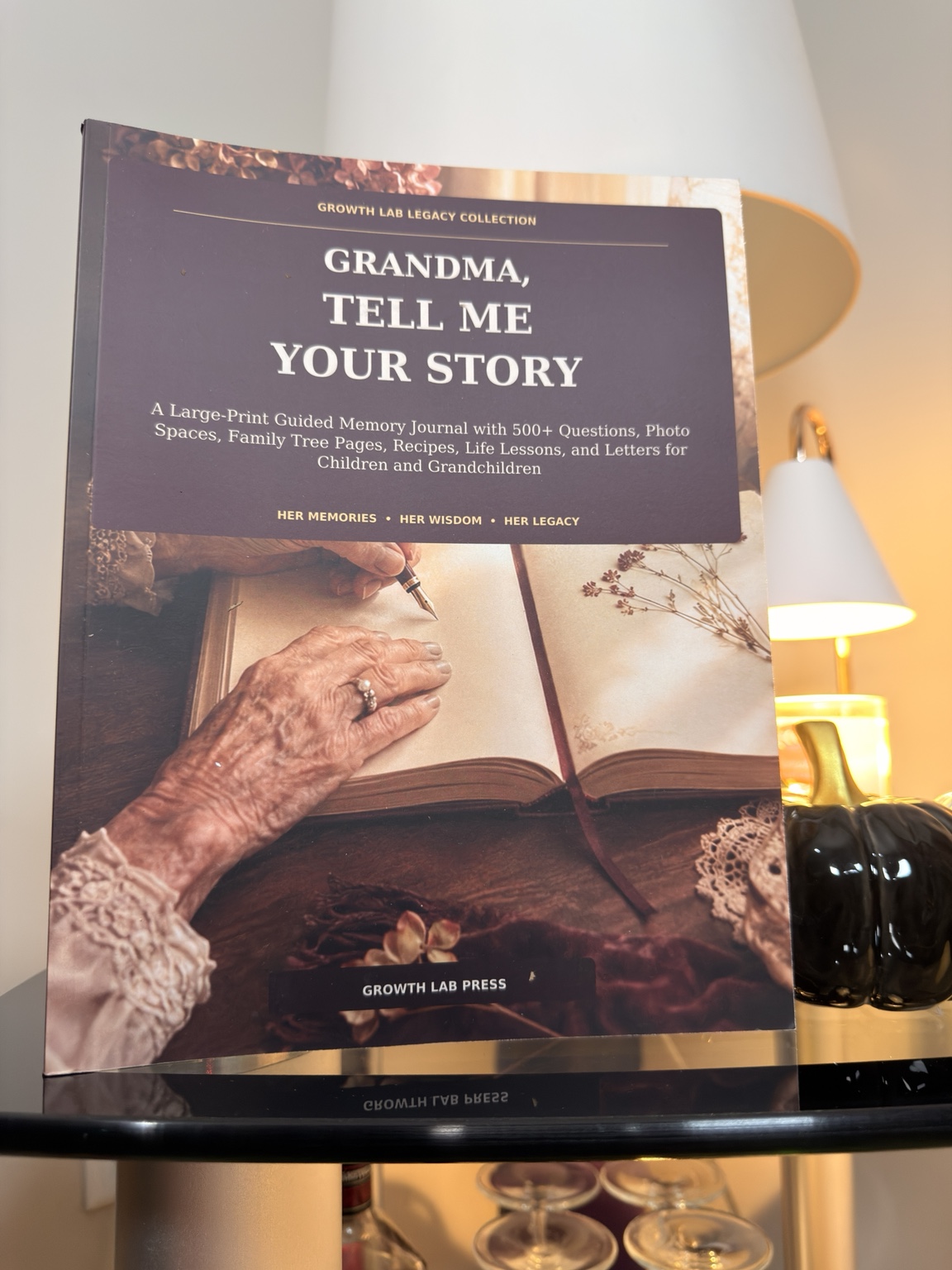
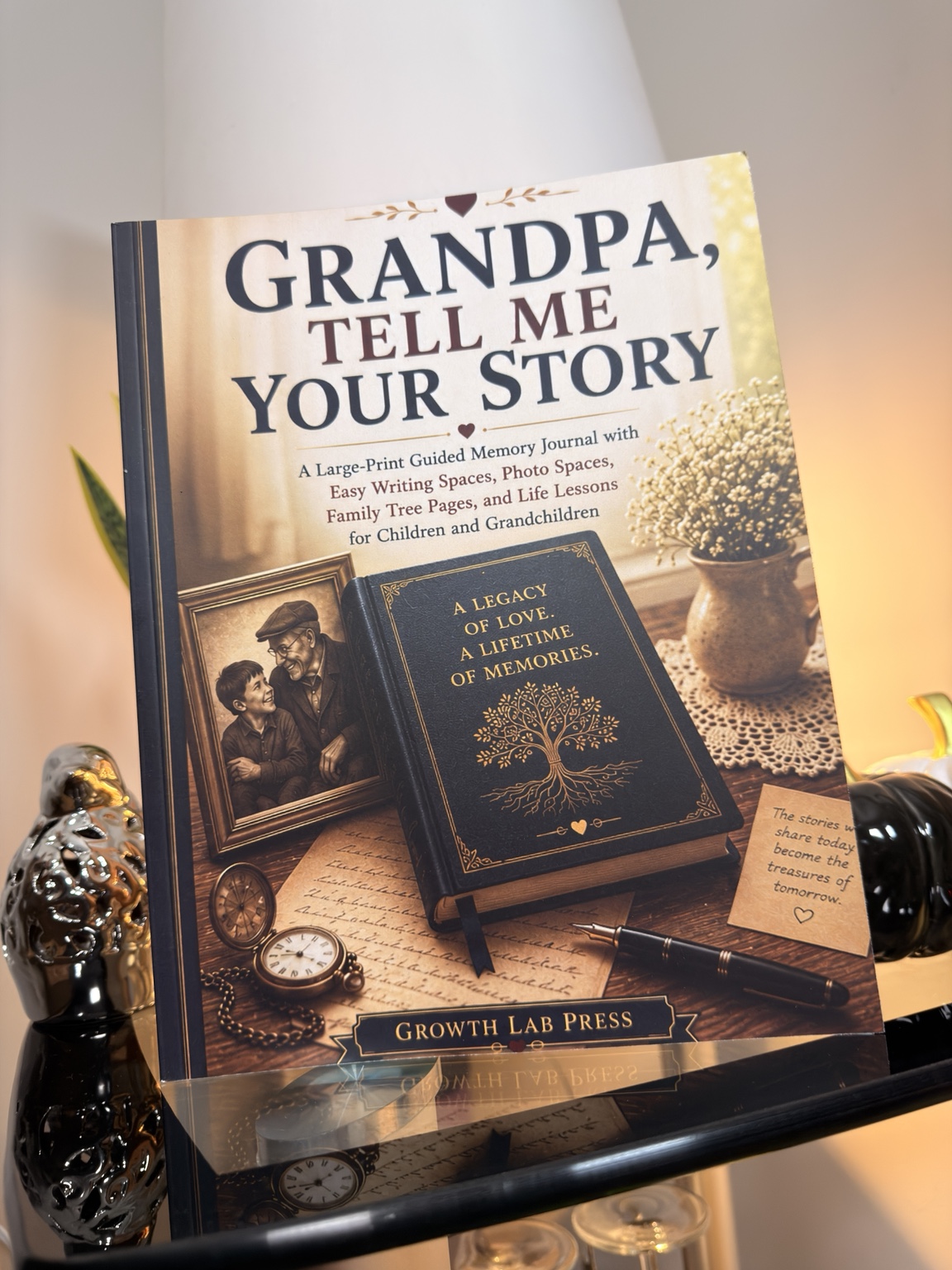
Grandma, Tell Me Your Story is a large-print guided memory journal with 531 questions, photo spaces, family tree pages, recipes, life lessons and letters. Grandpa, Tell Me Your Story is a guided keepsake journal for preserving memories, milestones, family traditions and wisdom. Both are written by Michael Bennett and are currently listed in paperback and hardcover formats.
A journal can be used for writing or as an interview guide. If your grandparent prefers speaking, ask one or two questions aloud, take notes with permission and add the answers later for review.
Common questions
How many childhood-chore questions should I ask at once?
Start with three to five. Follow one detailed story instead of rushing through all 15 questions.
What if my grandparent says they did not have chores?
Ask about responsibilities, ways they helped, or what an ordinary day required. If nothing comes to mind, move to another topic without pressure.
Should I ask whether children were paid for chores?
You can ask neutrally whether helping was rewarded, paid or simply expected. Do not assume one arrangement was normal for every family.
Can I record the conversation on my phone?
Yes, when your grandparent clearly agrees. Explain who will receive the recording, test the phone first and keep a backup afterward.
Sources and further reading
Published by Growth Lab Press. Read our editorial standards.